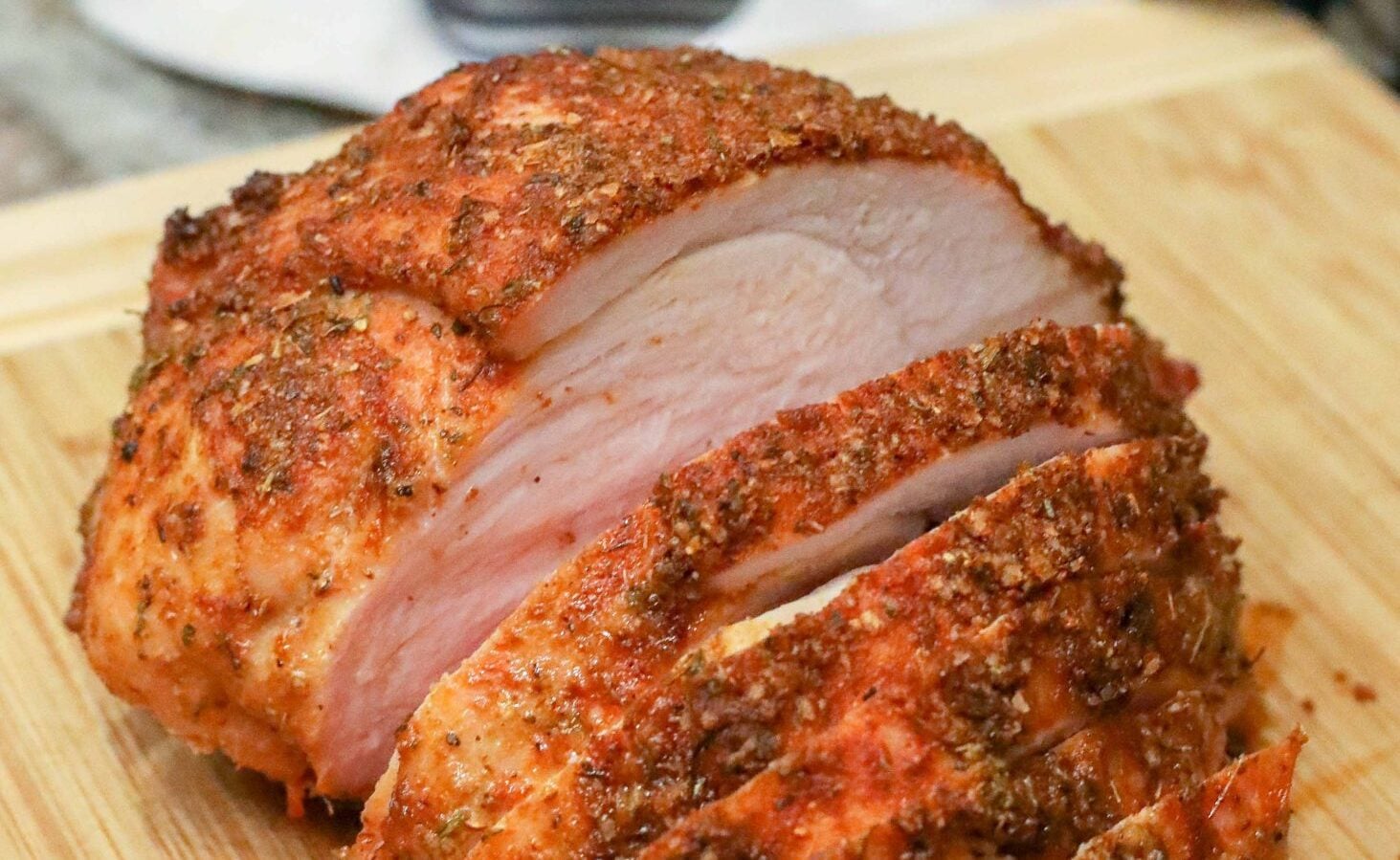
Unlock the Secret to a Perfectly Crusted Herb-Rubbed Sirloin Tip Pork Roast
There’s a certain magic that happens when an aromatic blend of herbs and spices meets a succulent cut of pork, transforming it into a meal that’s both effortlessly elegant and deeply satisfying. We're talking about the incredible
herb-rubbed sirloin tip pork roast – a dish beloved by home cooks for its flavor, versatility, and surprising affordability. If you've ever stumbled upon those convenient multi-packs of pork sirloin tip roasts at your local warehouse store, you're already halfway to discovering this culinary gem. What might seem like an unassuming cut quickly becomes the star of your dinner table, especially when prepared with a vibrant, flavorful rub and a critical understanding of one key ingredient: salt.
Many home cooks, myself included, have been drawn to the allure of a beautifully crusted pork roast, only to find the initial attempts sometimes result in an overwhelmingly salty finish. This article aims to demystify the process, focusing on the often-overlooked yet crucial art of salt adjustment, ensuring your
herb-rubbed sirloin tip pork roast achieves that coveted perfect crust and balanced flavor every single time. Get ready to impress your family and guests with a dish that’s easy to make, hard to forget, and always incredibly juicy.
Mastering the Perfect Crust: The Essential Salt Adjustment
The difference between a beautifully seasoned, flavorful crust and one that makes you reach for a glass of water isn't just about the herbs; it's profoundly about the salt. And more specifically, it's about the *type* of salt you use and how you measure it. This is perhaps the most critical insight for anyone aspiring to perfect their
herb-rubbed sirloin tip pork roast.
Many fantastic recipes call for salt by the tablespoon. However, a crucial distinction often missed is the difference in density and crystal size between Kosher salt and regular table salt. Kosher salt, with its larger, flakier crystals, takes up more volume per unit of weight compared to fine-grained table salt. This means that one tablespoon of Kosher salt contains significantly less sodium than one tablespoon of table salt.
Imagine this scenario: a recipe calls for 1 tablespoon of Kosher salt, but you, like many home chefs, reach for the more common table salt. If you use 1 tablespoon of table salt, you'll end up with a crust that is dramatically, even unpleasantly, salty. This isn't a minor oversight; it's a recipe for a salty disaster.
The actionable advice is simple and paramount:
* If your recipe specifies
Kosher salt and you're using it, you can typically follow the instruction of approximately 1 tablespoon (though always adjust to your personal preference).
* If you are using
table salt, you *must* reduce the quantity significantly. As a rule of thumb for this particular roast and rub, a full tablespoon of table salt is far too much. Instead, aim for just
1 teaspoon of table salt. This reduction accounts for the increased sodium concentration per volume, ensuring your crust is perfectly seasoned without being overpowering.
This adjustment ensures that the salt works in harmony with the other spices, enhancing their flavors and contributing to a delectable crust, rather than dominating the palate. The salt helps draw out moisture to create that crispy exterior and also penetrates the meat, contributing to overall flavor, but balance is key.
Crafting the Signature Herb Rub: Beyond the Basics
While salt is the silent orchestrator, the herbs and spices are the vibrant symphony of your
herb-rubbed sirloin tip pork roast. The beauty of this dish lies in its simple yet profoundly flavorful rub. Most successful versions emphasize a combination that hits all the right notes: earthy, slightly spicy, and aromatic.
Key players in this flavor profile typically include:
*
Oregano: This herb is non-negotiable. Its warm, slightly bitter, and aromatic notes provide an essential layer of flavor that truly defines the rub. Don't skip it!
*
Cayenne Pepper: For those who love a bit of a kick, cayenne is your friend. It adds a wonderful warmth and subtle heat that complements the richness of the pork. The beauty here is its adjustability – if you prefer a milder profile, simply reduce the amount.
*
Garlic Powder & Onion Powder: These pantry staples add a foundational savory depth that enhances all other flavors without being overwhelming.
*
Black Pepper: Freshly ground black pepper offers a sharp, pungent contrast and another layer of spice.
*
Paprika: Smoked or sweet paprika can add beautiful color and an extra layer of warmth and complexity.
To create your rub, simply mix all the chosen spices together in a small bowl. For optimal flavor penetration and crust development, ensure your pork roast is patted thoroughly dry with paper towels before applying the rub. This crucial step helps the rub adhere better and promotes a crispier exterior during cooking. Generously coat all sides of the roast, pressing the mixture firmly onto the surface to create that irresistible herby crust.
The Humble Hero: Why the Sirloin Tip Pork Roast Shines
The pork sirloin tip roast is truly an unsung hero in the world of affordable and delicious meats. Often found in multi-packs at warehouse clubs like Costco, these roasts are a testament to the fact that exceptional flavor doesn't always come with a hefty price tag. Many home cooks discover this cut by chance, drawn by its appealing price point – often less than four dollars for a 2.5 lb roast – and quickly become converts.
This particular cut is lean yet incredibly tender and juicy when cooked correctly. It’s perfect for roasting, absorbing flavors beautifully from a well-crafted rub. Its affordability and versatility make it a go-to for weeknight dinners and impressive enough for company. If you've been searching for an economical cut that delivers big on taste and texture, look no further than the pork sirloin tip roast. For more insights on selecting and preparing this fantastic cut, make sure to check out
Costco's Best Buy: Easy Herb-Rubbed Pork Sirloin Tip Roast.
Achieving Juicy Perfection: Temperature, Resting, and Beyond
Cooking an
herb-rubbed sirloin tip pork roast to perfection hinges on two critical factors: accurate temperature monitoring and adequate resting time. Overcooked pork can quickly become dry and tough, but with a few simple techniques, you can guarantee a tender and juicy result every time.
First and foremost, a reliable meat thermometer is an indispensable kitchen tool for any home cook. While some seasoned chefs can tell doneness by touch, a thermometer removes all guesswork, ensuring food safety and optimal texture. For pork, the USDA recommends a minimum internal temperature of 145°F (63°C) for medium-rare, allowing for a slight pink center, followed by a three-minute rest. Many prefer it cooked to around 155°F (68°C) for a medium doneness. Even if it goes a little over, as one experience had it reaching 155°F (68°C) before resting, the meat can still be incredibly juicy and tender.
The second, equally vital step is allowing your roast to *rest* after it comes out of the oven. This is not merely a suggestion; it's a mandatory pause that prevents all those precious juices from escaping onto your cutting board. As the roast cooks, the muscle fibers contract, pushing the juices towards the center. Resting for 10-15 minutes allows these fibers to relax and the juices to redistribute evenly throughout the meat, resulting in a more tender and significantly juicier roast. Resist the urge to slice into it immediately – your patience will be handsomely rewarded. For a deeper dive into techniques for consistently tender and juicy results, read our article
Achieve Tender, Juicy Herb-Rubbed Pork Sirloin Roast Every Time.
Cooking Methods and Timings for Your Herb-Rubbed Roast
The beauty of the
herb-rubbed sirloin tip pork roast lies in its straightforward cooking process. Typically, an hour in the oven is all it takes to transform this cut into a culinary delight.
*
Preparation: For the most even cooking, it's beneficial to bring your pork roast to room temperature for about 30-60 minutes before cooking. Pat it completely dry before applying your meticulously crafted herb rub.
*
Roasting: Preheat your oven to 350°F (175°C). Place the seasoned roast on a rack in a roasting pan. Bake for approximately 60-75 minutes, or until your meat thermometer registers your desired internal temperature (145°F-155°F). Keep in mind that roasts cooked straight from the refrigerator might require a slightly longer cooking time.
*
Searing for Extra Crust: For an even more profound crust and an extra layer of flavor, consider searing the roast in an oven-safe skillet on the stovetop for a few minutes per side before transferring it to the oven to finish cooking. This creates a beautiful, deep brown exterior.
Throughout the cooking process, your kitchen will be filled with an absolutely intoxicating aroma – a testament to the simple yet powerful combination of herbs and spices.
Beyond the First Meal: Creative Leftover Ideas
One of the greatest joys of cooking a substantial dish like an
herb-rubbed sirloin tip pork roast is the potential for incredible leftovers. This roast is exceptionally versatile, transforming into new, exciting meals that taste just as good, if not better, than the original.
Here are some fantastic ideas to maximize your leftovers:
*
Breakfast Wraps: Dice up cold pork roast and sauté it briefly, then scramble with eggs and cheese for a hearty breakfast wrap.
*
Pork Sandwiches: Thinly slice or shred the leftover pork and pile it high on your favorite bread or buns with a tangy barbecue sauce or a creamy coleslaw.
*
Cream-Based Pasta Dishes: Chop the remaining pork and toss it into a rich, creamy pasta sauce. The savory notes of the roast perfectly complement the pasta and sauce.
*
Tacos or Quesadillas: Shredded pork makes an excellent filling for tacos or quesadillas, especially with some fresh salsa, avocado, and cheese.
*
Salads: Add sliced cold pork to a crisp green salad for a protein-packed lunch.
*
Fried Rice or Soup: Incorporate diced pork into a flavorful fried rice or use it as a hearty addition to a vegetable or noodle soup.
The possibilities are endless, making this dish not just a delicious meal, but a convenient foundation for several culinary adventures throughout the week.
In conclusion, the
herb-rubbed sirloin tip pork roast is a remarkable dish that offers incredible flavor, tenderness, and versatility without breaking the bank. By paying close attention to the crucial salt adjustment – understanding the difference between Kosher and table salt – and embracing the simple yet potent herb rub, you can consistently achieve a perfectly crusted, juicy, and unforgettable roast. From the aromatic cooking process that fills your home with tantalizing scents to the delight of creating new dishes with the leftovers, this recipe is truly a gem. So, grab that inexpensive cut of pork, prepare your rub, and get ready to enjoy one of the most satisfying roasts you’ll ever make.